 EN
EN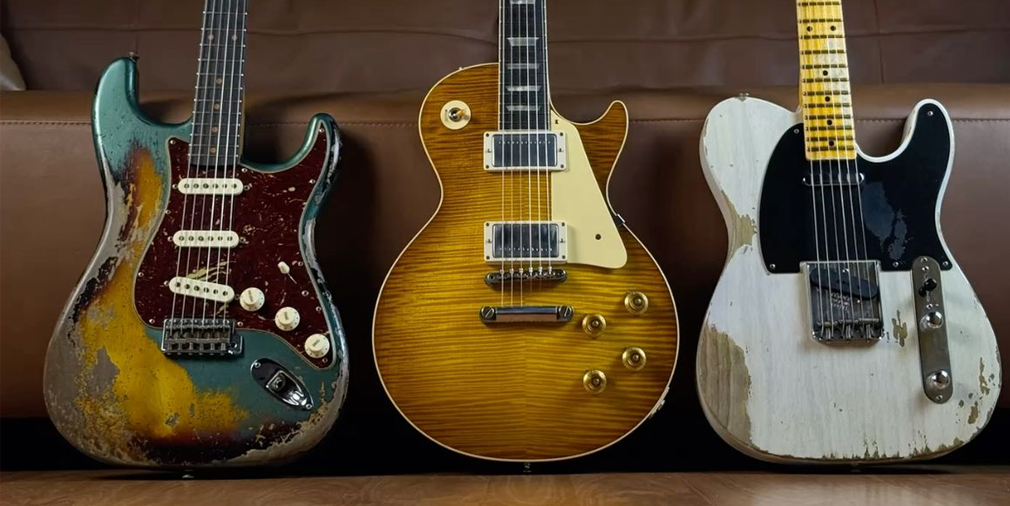
Requesting a guitar factory quotation may seem simple. Many buyers send a short message such as “Please quote electric guitar” or “What is your price for acoustic guitar?” However, a useful quotation requires more information. Without clear details, the factory can only give a rough estimate or ask many follow-up questions.
For OEM and ODM guitar manufacturing, the quotation depends on product type, materials, components, finish, logo, packaging, quantity, sample requirements, quality expectations, and shipment terms. Two guitars that look similar in a photo can have very different costs if the specifications are different.
This guide explains what professional buyers should prepare before requesting a guitar factory quotation. The goal is to help you receive faster, clearer, and more accurate pricing.
1. Product Type
Start by telling the factory what type of guitar you need. This seems basic, but it is essential because different instruments require different production processes and components.
Specify whether you need:
– Electric guitar
– Electric bass
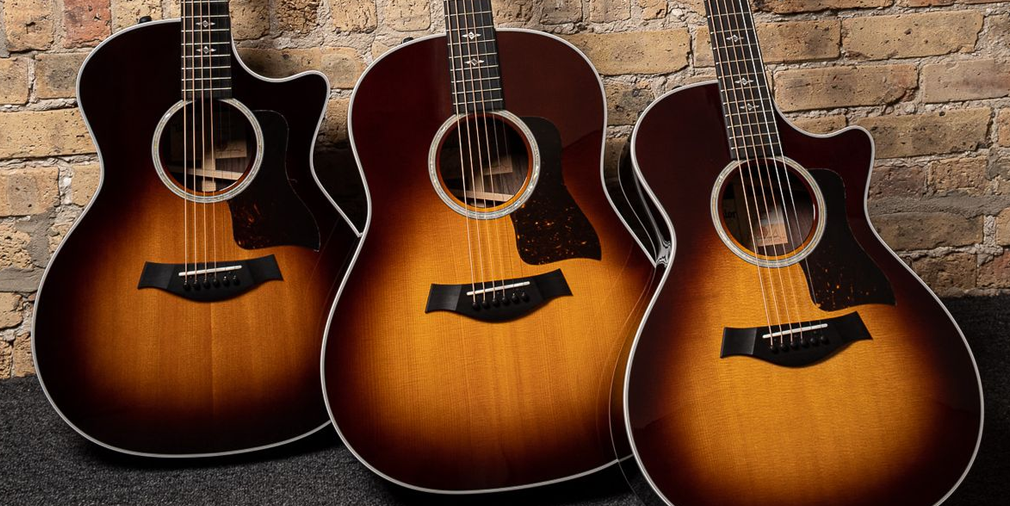
– Acoustic guitar
– Classical guitar
– Ukulele
– Guitar kit
– Related string instrument
If possible, include the product style. For example, “solid-body electric guitar with two humbuckers” is more useful than “electric guitar.” “Dreadnought acoustic guitar with cutaway” is more useful than “acoustic guitar.”
Product type affects material planning, production process, setup, packaging, and quotation.
2. Reference Images or Drawings
Reference images help the factory understand your target product quickly. They do not need to be perfect technical drawings, but they should show the direction clearly.
Useful references include:
– Front view
– Back view
– Side view if needed
– Headstock shape
– Finish color
– Hardware style
– Pickup configuration
– Packaging reference
If you have drawings, CAD files, specification sheets, or previous samples, provide them. If you do not, send clear reference photos and explain what should be changed.
Important: make sure you have the right to use your design or reference direction. Avoid copying protected brand designs directly.
3. Target Market and Product Level
The factory needs to understand your target market. A guitar for entry-level students, a mid-level retail brand, and a professional custom series may require different materials, hardware, finish, and QC standards.
Tell the factory:
– Which country or region you sell in
– Whether the product is entry-level, mid-level, or higher-end
– Whether it is for retail, wholesale, online sales, education, or brand distribution
– Whether the buyer expects strong customization or cost control
This information helps the factory suggest suitable specifications. If you only ask for the cheapest option, the result may not match your market. If you ask for high-end components but target a low price, the project may not be realistic.
4. Estimated Order Quantity
Quantity is one of the most important quotation factors. Unit cost, MOQ, material purchasing, packaging, and production planning all depend on quantity.
When requesting a quote, provide:
– Sample quantity
– First bulk order quantity
– Expected repeat order quantity if known
– Number of models or colors
For example, “100 pieces of one electric guitar model in two colors” is different from “100 pieces across five models and ten colors.” Too many variations can increase production complexity and cost.
If you are not sure about quantity, give a realistic range. The factory can then explain MOQ and price differences.
5. Material Requirements
Materials affect both cost and performance. If you already know your material requirements, include them in your quotation request.
For electric guitars and basses, material details may include:
– Body wood
– Neck wood
– Fingerboard material
– Nut material
– Finish type
For acoustic guitars, material details may include:
– Top wood
– Back and side wood
– Neck wood
– Fingerboard and bridge material
– Bracing or body style
If you do not know which materials to choose, tell the factory your target price and market level. A practical factory can suggest options.
6. Hardware and Electronics
Hardware and electronics can significantly affect price. For electric guitars and basses, pickup configuration and electronics are especially important.
Include details such as:
– Pickup type
– Pickup configuration
– Control layout
– Bridge type
– Tuner type
– Hardware color
– Strings
– Knobs and switch type
If you need branded components, mention that clearly. If generic components are acceptable, say so. Component selection can change cost, MOQ, and lead time.
For acoustic guitars, hardware may include tuners, bridge, saddle, nut, strings, and optional pickup systems.
7. Finish and Color
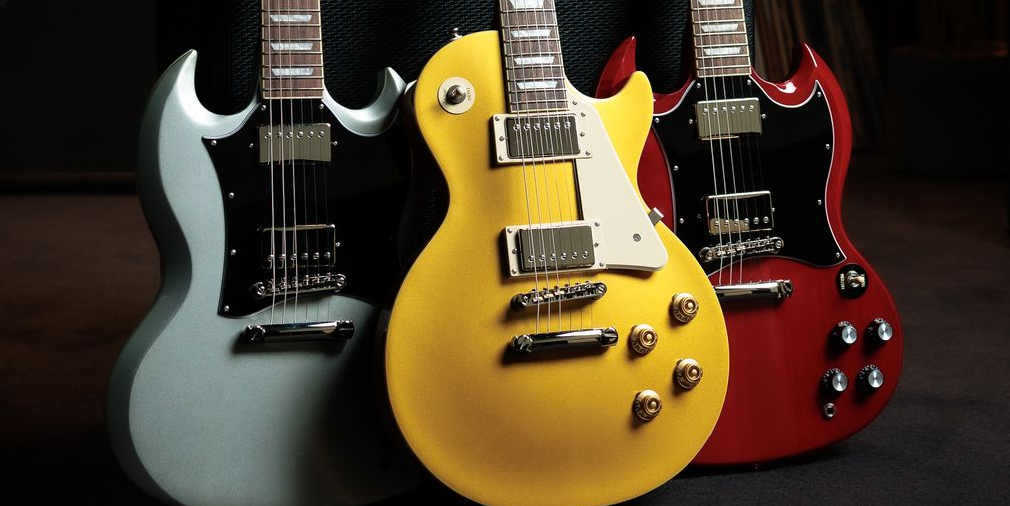
Finish is one of the most visible parts of a guitar and can affect production cost. Common finishes may be easier to quote, while special colors or complex designs may require sample testing.
Describe:
– Color
– Gloss or matte
– Solid or transparent finish
– Sunburst or natural finish
– Metallic or special effect
– Matching requirement
If exact color is important, provide reference photos or color standards. Be aware that screen colors may not always match real production colors, so sample confirmation is important.
8. Logo and Branding
For OEM and private label orders, logo and branding details must be included in the quotation request. Branding can affect cost depending on method and complexity.
Tell the factory:
– Logo position
– Logo file format
– Headstock branding method if known
– Soundhole label if applicable
– Neck plate logo if needed
– Packaging logo
– Hang tag or insert card requirements
If you have not decided the method, ask the factory what options are available. Simple branding may be suitable for early projects, while more complex branding can be developed later.
9. Packaging Requirements
Packaging affects both cost and shipping safety. For international guitar orders, packaging should protect the product during transportation.
Provide details such as:
– Neutral or branded packaging
– Gig bag or hard case
– Inner carton
– Export carton
– Foam protection
– Accessories
– Manuals or insert cards
– Carton marks
If you sell through retail channels, packaging appearance may be important. If you sell wholesale, protection and carton efficiency may matter more.
10. Sample Requirements
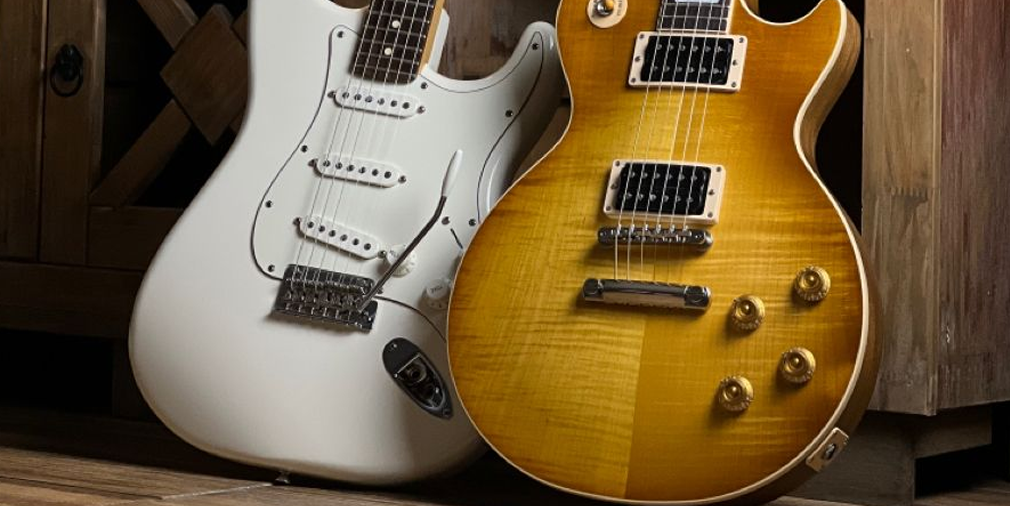
Before bulk production, most OEM/ODM buyers should request a sample. The sample helps confirm design, quality, finish, logo, components, and packaging.
When requesting a quote, ask:
– Sample cost
– Sample lead time
– Whether sample cost can be refunded after bulk order
– How revisions are handled
– Whether photos or videos will be provided before shipment
Sample cost is often higher than bulk unit cost because it requires individual preparation. Buyers should treat sampling as product development, not only as a small purchase.
11. Target Price
Some buyers avoid sharing target price, but a realistic target price helps the factory suggest suitable specifications. Without a price direction, the factory may quote a product that is too low or too high for your market.
Target price does not mean the factory will automatically match it. It helps define the product level.
For example, if your target price is entry-level, the factory may suggest cost-effective materials and hardware. If your target price allows mid-level specifications, better components and finish options may be possible.
12. Shipping Terms and Destination
A factory quotation may or may not include shipping. Clarify what kind of quotation you need.
Common terms include:
– EXW
– FOB
– CIF
– DDP if available through service partners
Provide destination country or port if you need shipping support. Packaging dimensions, order quantity, and shipping method will affect freight cost.
Quotation Request Template
Buyers can use this simple format:
Product type:
Target market:
Estimated quantity:
Reference images:
Body/material requirements:
Neck/fingerboard requirements:
Pickups/electronics:
Hardware:
Finish/color:
Logo/branding:
Packaging:
Sample requirement:
Target price:
Destination/shipping term:
Additional notes:
This format helps the factory understand your project quickly and respond with more accurate information.
How Vinesmusical Supports Quotation Requests
Vinesmusical supports OEM and ODM guitar manufacturing for brands, distributors, wholesalers, importers, and professional buyers. We can review your quotation request for electric guitars, electric basses, acoustic guitars, classical guitars, ukuleles, and private label projects.
If your specifications are complete, we can provide more direct quotation support. If your project is still early, we can help suggest practical options based on your target market, quantity, and customization needs.
Clear information helps both sides save time and reduce misunderstanding.
Once the factory has these details, compare what each quotation actually includes rather than only the unit figure. Our OEM guitar pricing guide explains the material, hardware, finish, quantity, packaging and QC items that commonly create a mismatch.
FAQ
Why does the factory need so many details for a quotation?
Because guitar cost depends on materials, components, finish, logo, packaging, quantity, and QC requirements. Clear details make the quotation more accurate.
Can I request a quotation without complete specifications?
Yes, but the quotation may be rough. You can provide target market, reference photos, quantity, and price level so the factory can suggest options.
Should I share my target price?
Yes, if possible. A target price helps the factory recommend suitable specifications for your market.
Is sample cost the same as bulk unit cost?
Usually no. Sample cost is often higher because it requires individual development, setup, and handling.