 EN
EN
MOQ is one of the first questions buyers ask when starting a custom guitar project. MOQ means minimum order quantity. It is the smallest quantity a factory can accept for a specific product, specification, or customization request.
For OEM and ODM guitar buyers, MOQ is not just a number. It is connected to material purchasing, component sourcing, production setup, labor planning, finish process, logo customization, packaging, and factory efficiency. Understanding what affects MOQ helps buyers plan more realistic orders and communicate better with manufacturers.
This guide explains why custom guitar MOQ changes from project to project and how professional buyers can plan their first order.
1. Product Type Affects MOQ
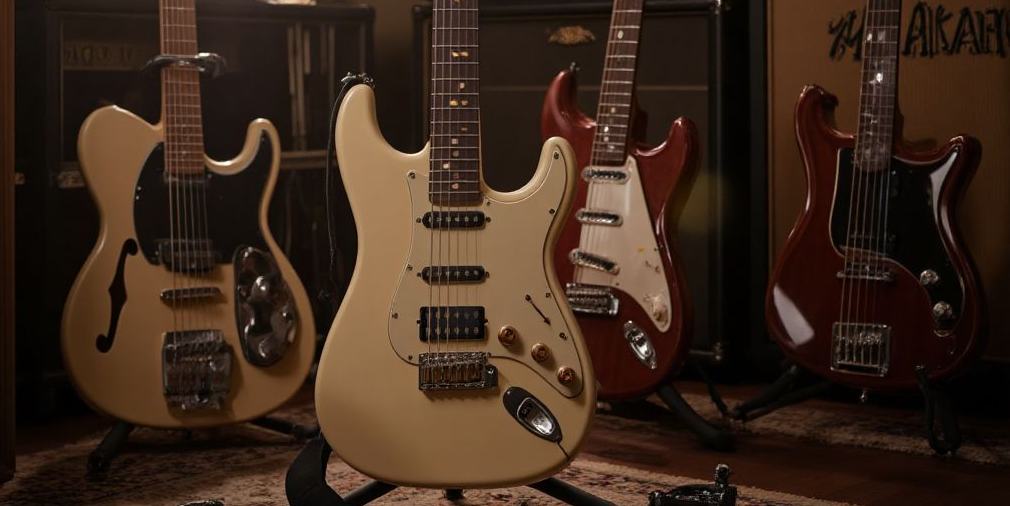
Different guitar types may have different MOQ requirements. Electric guitars, electric basses, acoustic guitars, classical guitars, and ukuleles do not always share the same production process or material requirements.
Electric guitars may involve body routing, pickups, electronics, hardware, finish, neck fitting, and setup. Electric basses require bass-specific necks, scale lengths, pickups, bridges, and hardware. Acoustic guitars involve soundboards, bracing, body assembly, neck angle, finish, and acoustic setup.
Because production processes and components differ, MOQ may also differ.
For example:
– A standard electric guitar model with simple logo customization may have a lower MOQ.
– A custom electric bass with special hardware may require a higher MOQ.
– An acoustic guitar with special wood selection may depend on material availability.
– A private label package with custom cartons may have packaging-related MOQ.
Before asking for MOQ, specify the product category clearly. A general question like “What is your MOQ for guitars?” may not lead to a useful answer.
2. Standard Models Usually Have Lower MOQ
If a buyer chooses a factory-supported model and only makes limited changes, MOQ may be easier to manage. This is common in ODM and private label projects.
Standard or semi-standard models may already have production experience, existing material planning, known components, and established processes. The factory does not need to develop everything from the beginning.
Lower-complexity customization may include:
– Logo customization
– Standard color options
– Basic hardware selection
– Simple packaging changes
– Existing body shape
– Existing neck profile
This approach is useful for buyers who want to test a market or launch a private label product quickly. It may not create the most unique product, but it can reduce risk for the first order.
3. Full Customization Can Increase MOQ
The more customized a guitar is, the more production preparation may be required. Full customization can involve special materials, unique body shapes, custom colors, special pickups, custom hardware, private packaging, or new tooling.
Customization that may increase MOQ includes:
– New body shape
– Special neck profile
– Custom headstock design
– Unique finish or color
– Special pickup configuration
– Custom electronics
– Non-standard hardware
– Special packaging
– Exclusive materials
Each customization may affect sourcing, sample time, production efficiency, or supplier minimums. A factory may need to purchase components in larger quantities than the buyer’s order. This can influence MOQ and cost.
Buyers should decide which customizations are essential and which can wait for later orders.
4. Materials and Components Influence MOQ
Many guitar components come from suppliers, and those suppliers may also have minimum order requirements. This is one reason a factory cannot always accept very small quantities for highly customized projects.
Materials and components that may affect MOQ include:
– Wood species
– Fingerboard materials
– Pickups
– Bridges
– Tuners
– Knobs and control plates
– Strings
– Cases or gig bags
– Custom packaging materials
If a buyer requests rare materials or special components, the factory may need to purchase more than the exact order quantity. This can increase MOQ or unit cost.
To control MOQ, buyers can use commonly available materials and components for the first order, then add more custom options after demand is confirmed.
5. Finish and Color Can Affect MOQ
Custom finish is one of the most visible parts of a guitar, but it can also affect production planning. Some colors and finish processes require more setup, testing, or batch control.
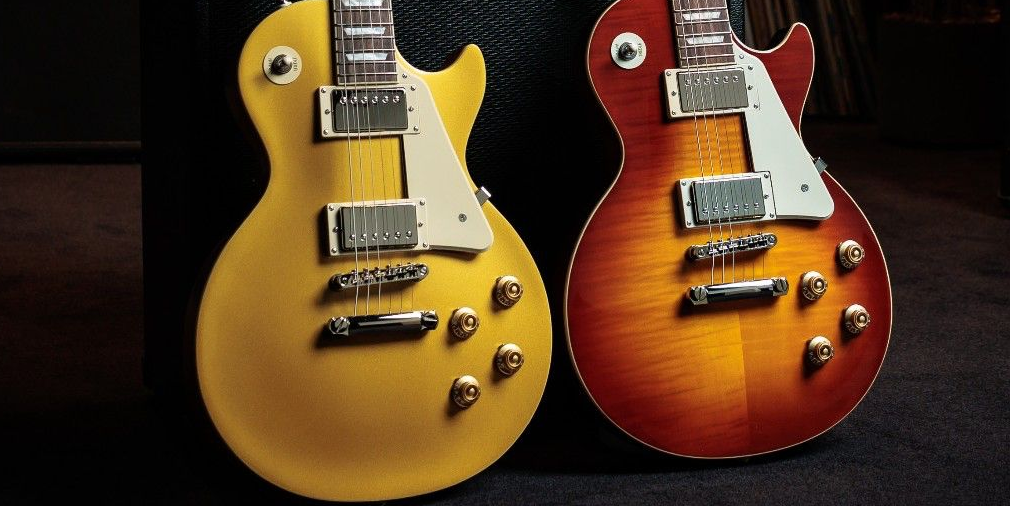
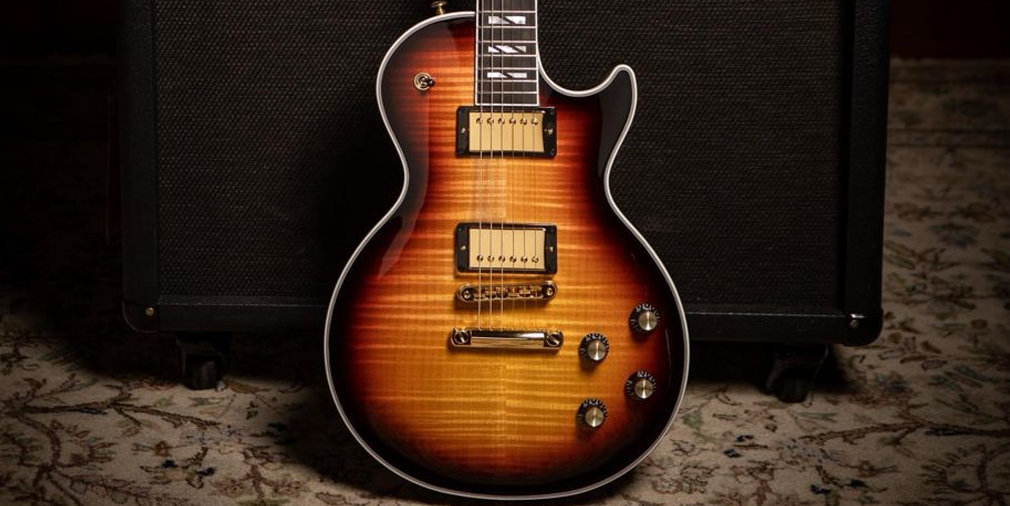
For example, natural finish, black, white, and common sunburst options may be easier to manage than highly specific metallic colors, transparent color matching, complex graphics, or special surface effects.
Color consistency also matters in bulk production. If a buyer needs an exact brand color, the factory may need sample approval and careful process control.
Finish-related factors include:
– Solid color or transparent finish
– Gloss or matte surface
– Sunburst finish
– Metallic finish
– Custom color matching
– Complex graphic design
– Batch consistency requirements
If MOQ is a concern, start with practical finish options and avoid too many colors in the first order.
6. Logo and Branding Requirements Matter
Private label orders often include logo customization. The MOQ may depend on how the logo is applied and whether packaging is customized.
Logo methods may include printing, decal application, inlay, engraving, labels, or packaging marks. Some methods are simple, while others require more preparation.
Branding-related requirements may include:
– Headstock logo
– Soundhole label
– Neck plate logo
– Packaging logo
– Hang tags
– Manuals or insert cards
– Carton marks
Simple logo customization may not dramatically increase MOQ, but complex branding packages can. Buyers should discuss logo methods with the factory and choose a practical approach for the first order.
7. Packaging Can Create Its Own MOQ
Packaging is often overlooked, but it can affect MOQ. Custom cartons, printed boxes, branded inserts, manuals, labels, and cases may have supplier minimums.
For export guitar orders, packaging has two roles:
1. Protect the product during shipping
2. Present the brand professionally
If a buyer needs fully customized retail packaging, MOQ may be higher than for neutral export packaging. For early-stage projects, buyers can start with simple private label elements such as stickers, labels, hang tags, or carton marks before moving to fully customized packaging.
Packaging options may include:
– Neutral export cartons
– Branded cartons
– Inner boxes
– Gig bags
– Hard cases
– Foam protection
– Printed inserts
– Hang tags
– User manuals
Discuss packaging early so the MOQ and cost are clear.
8. Sample Orders Are Different from MOQ
Buyers sometimes ask whether they can order one piece. In OEM/ODM manufacturing, one-piece production is usually treated as a sample, not a bulk order. Sample cost is often higher than bulk unit cost because it requires individual setup, development, and handling.
A sample helps confirm product details before mass production. It does not always represent the final bulk price because bulk production benefits from quantity efficiency.
Buyers should understand:
– Sample cost may be higher
– Sample lead time may differ from bulk lead time
– Sample approval is important before bulk production
– Bulk MOQ applies after sample confirmation
If a buyer wants to test quality, ordering a sample is reasonable. If a buyer wants final production pricing, they must discuss bulk quantity.
9. MOQ and Unit Price Are Connected
MOQ and unit price are often connected. Lower quantities may have higher unit costs because production setup, material purchasing, and labor planning are less efficient. Higher quantities may reduce unit cost if materials and production can be planned more efficiently.
When discussing MOQ, ask the factory whether there are price breaks at different quantities.
For example:
– Sample quantity
– Minimum bulk order
– Medium order quantity
– Larger repeat order quantity
This helps buyers plan budget and market testing. It also helps the factory suggest practical options.
MOQ alone does not determine the finished quotation. Materials, hardware, finish, packaging and inspection scope must also be compared. See our practical guide to OEM guitar pricing for a like-for-like quotation checklist.
10. How Buyers Can Reduce MOQ Pressure
If MOQ is a concern, buyers can take practical steps:
– Start with factory-supported models
– Limit the number of colors
– Use common materials
– Use standard hardware options
– Keep logo customization simple
– Use practical packaging first
– Focus on one product category
– Plan repeat orders if the market responds well
The first order should be designed to test the market and confirm cooperation. After successful sales, buyers can expand customization and product variety.
How Vinesmusical Discusses MOQ with Buyers
Vinesmusical supports OEM and ODM guitar manufacturing for professional buyers. MOQ depends on product category, specifications, customization level, materials, packaging, and order planning.
Our team can review your product type, target market, estimated quantity, and customization needs, then suggest practical manufacturing options. We can also discuss sample development before bulk production so buyers can confirm quality and specifications.
Whether you are planning custom electric guitars, electric basses, acoustic guitars, classical guitars, or private label products, clear project information helps us provide better quotation support.
FAQ
Why does MOQ vary between guitar projects?
MOQ varies because product type, customization level, materials, components, packaging, and production setup differ from project to project.
Can I order one guitar as a sample?
Sample development may be possible, but sample cost is usually different from bulk production cost. MOQ applies to bulk orders.
Does custom logo increase MOQ?
Simple logo customization may be manageable, but complex branding or packaging can affect MOQ depending on the method and supplier requirements.
How can I start with a lower-risk order?
Choose practical specifications, limit color options, use common materials, start with a focused product category, and confirm a sample before bulk production.