 EN
EN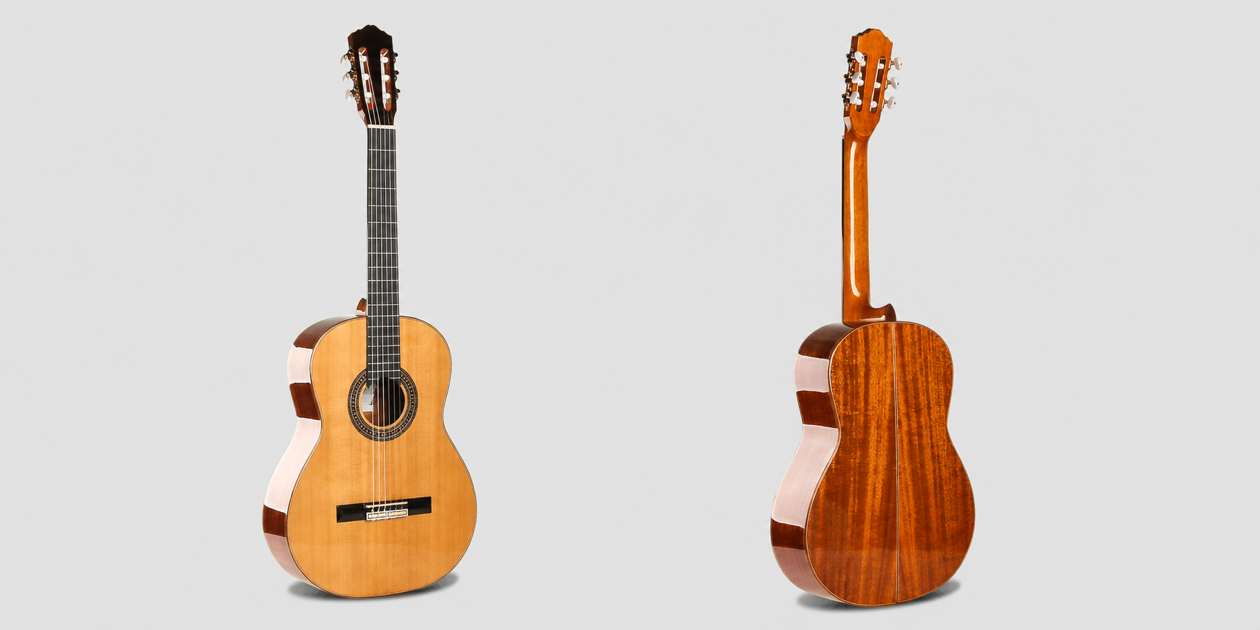
A classical guitar OEM sample can look ready in photographs and still leave too many questions open for production. The colour may be right, the logo may be in place and the carton may carry the correct marks, but none of that confirms the neck feel, string action or material specification.
For an OEM buyer, sample approval is the point where a product idea becomes a production reference. A short message saying “sample approved” is not enough. The factory and buyer need the same written record of what was checked, what was accepted and what still needs correction.
This is especially important for classical guitars. Small changes in scale length, nut width, neck profile and setup can be obvious to the player even when they are difficult to see in a photo.
Start with the player, not the decoration
Before checking measurements, confirm who the guitar is intended for.
A full-size model for a specialist guitar retailer is not evaluated in the same way as a reduced-size model for a school programme. A beginner package may place more weight on comfortable action, stable tuning and protective packaging. A higher-positioned solid-top model may require closer review of wood appearance, body resonance, fretwork and finish detail.
The sample record should therefore state:
- target customer and sales channel;
- full size or reduced size;
- intended retail position;
- expected playing feel;
- strings and accessories supplied with the instrument.
This information gives context to every later decision. Without it, buyers and factories can both make reasonable choices and still end up expecting different products.
Record the dimensions that affect playability
Terms such as “standard classical neck” are convenient during early discussion, but they are too vague for final approval.
At minimum, record the scale length, nut width, neck thickness at agreed positions and the intended neck profile. For reduced-size instruments, do not rely only on labels such as 1/2 or 3/4. Those names are not used consistently across every market. The actual dimensions should appear in the specification.
String action should also be measured, not described only as low, medium or high. The buyer and factory should agree where the measurement is taken, which strings are checked and whether the guitar has settled under string tension before the reading is recorded.
The goal is not to use one universal measurement for every model. The goal is to remove uncertainty. A beginner nylon-string guitar and a more traditional classical model may require different setup choices.
Confirm the material specification item by item
Material descriptions often become unclear when a quotation moves through several revisions. “Cedar top” does not by itself confirm whether the top is solid or laminated. A finish sample cannot prove the wood grade, internal construction or specification of parts hidden after assembly.
The approved record should list the top, back and sides, neck, fingerboard, bridge, binding and any material substitution agreed during sampling. If a material is factory-proposed rather than buyer-specified, mark that clearly.
For example, our 39-inch solid-top classical guitar can be used as a starting point for a cedar-top specification, while the cedar-top classical guitar with sapele back and sides represents a different material and price direction. These are useful references, but the final OEM model still needs its own approved specification.
Keep finish names separate from wood names. A colour sample, gloss level or open-pore finish should have its own reference rather than being treated as part of a general material description.
Check the setup after the guitar has settled
Setup is one of the easiest areas to approve too quickly.
After shipping, give the sample time to adjust before making a final judgment. Then check neck relief, string action, saddle height, nut slot condition and tuning stability using an agreed method. Listen for buzzing across the fretboard, but also check whether the guitar has become unnecessarily difficult to play in an attempt to avoid every trace of buzz.
The buyer should record:
- strings installed on the approved sample;
- action measurements at the agreed fret;
- neck relief method and result;
- saddle height and remaining adjustment room;
- any fret or nut correction required before production.
A simple table with actual readings is more useful than a long paragraph saying that playability is good.
Inspect the parts that carry string tension
The bridge, saddle, nut and tuning machines deserve a separate check because they affect both performance and warranty risk.
Look at bridge position and seating, saddle fit, nut slot finish and tuner installation. Turn every tuning key rather than checking only one. Confirm that the tuner level matches the quotation and that screws, washers and decorative parts are fitted consistently.
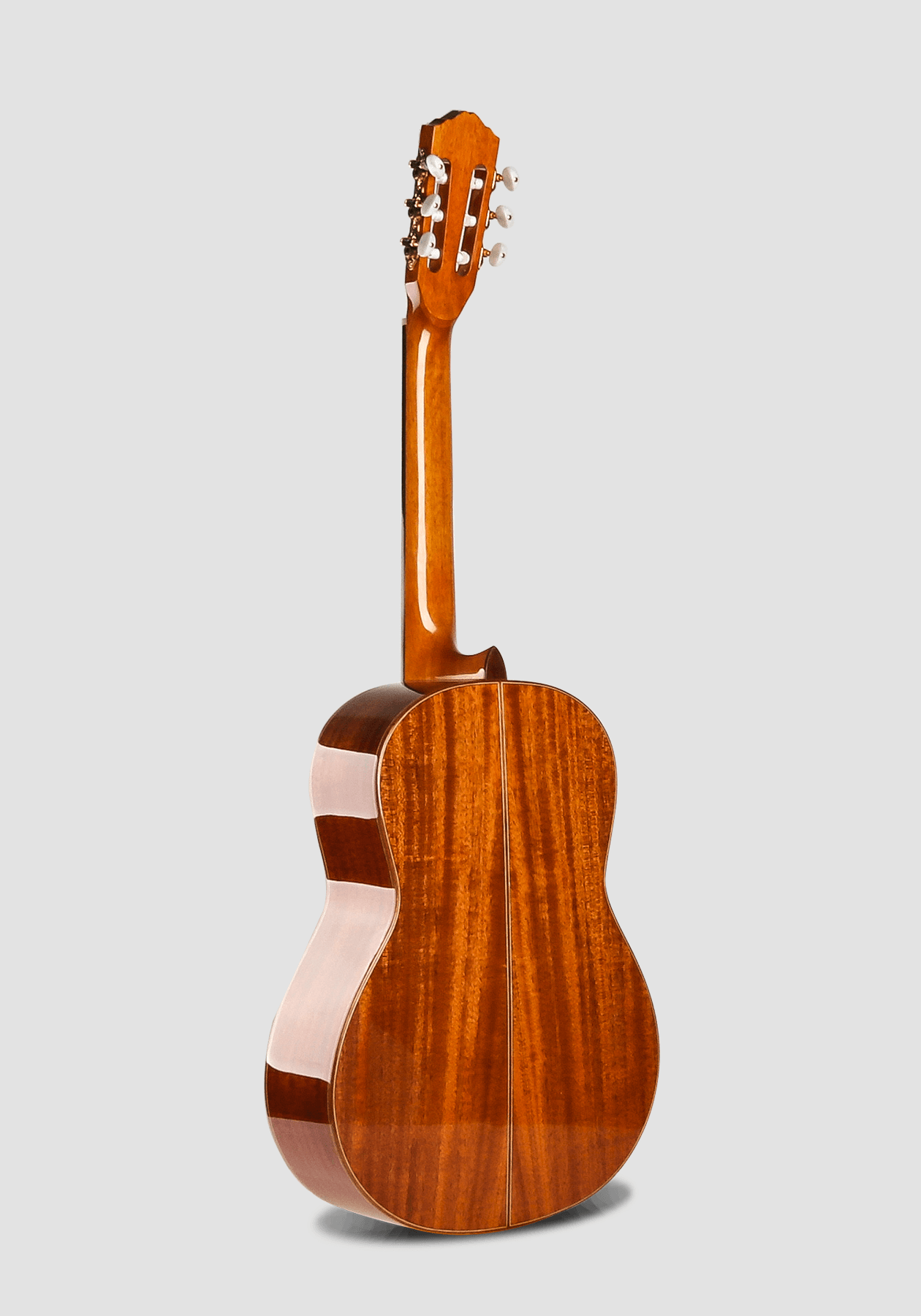
Also inspect the fret ends and the transition between the neck and body. These details are easy to miss in a front-view photograph, but they are immediately noticeable when the instrument is played.
For the neck and fretboard section, use the fretboard and neck finishing checklist to record profile, edge feel and fretwork rather than relying on “comfortable” as the approval note.
Review finish and appearance under repeatable conditions
Cosmetic approval works best when the lighting and viewing method are consistent.
Check colour, gloss level, grain appearance, binding joints, rosette position, body edges and the areas around the bridge and neck joint. Small dust marks or polishing lines should not be judged from one dramatic close-up alone. At the same time, repeated defects in the same location can indicate a process issue and should be recorded.
If natural wood variation is acceptable, define the acceptable range with several reference photographs. One approved guitar cannot represent every grain pattern that may appear in bulk production.
Logo size, position and colour should be measured or supported by artwork files. The same applies to the soundhole label, serial-number format and carton marks.
Treat packaging as part of the sample
A guitar that leaves the factory in good condition can still fail if the packaging was approved only by appearance.
Confirm the inner bag, neck and headstock support, carton strength, accessory position and any moisture-control material. Check that loose accessories cannot move against the guitar during transport. For mixed orders, make sure model codes and carton marks are clear enough for warehouse handling.
If the buyer changes the bag, carton or accessory set after approving the instrument, that packaging revision should be reviewed separately. It should not be assumed to perform like the original sample.
Turn the approved sample into a production record
The final approval package should contain more than the physical guitar. It should include:
- the dated specification sheet and revision number;
- measurement results for the agreed playability points;
- approved logo, label and packaging artwork;
- clear photographs of the front, back, sides and critical details;
- a list of approved deviations or corrections still required;
- the name of the person who approved the sample.
The physical sample can then serve as a visual reference, while the written record controls details that are difficult to see. During production, the factory can compare the first completed units with both references. The same information should later support the pre-shipment inspection.
If you are still preparing the initial brief, our OEM guitar specification sheet guide explains what to organise before quotation and sampling.
Discuss a classical guitar OEM project with Vinesmusical
Vinesmusical manufactures classical guitars for B2B brands, importers and distributors. The company was established in 2014 and has 13 years of OEM/ODM experience. Its company-owned 10,000㎡, five-floor factory has about 80 employees and monthly capacity of approximately 7,000 instruments across classical guitars, acoustic guitars, electric guitars and electric basses.
To discuss a new project, send the target player, model size, material direction, quantity, finish, branding and packaging requirements through the Vinesmusical contact page. If some specifications are still open, mark them clearly so they can be reviewed during quotation instead of being guessed later.