 EN
EN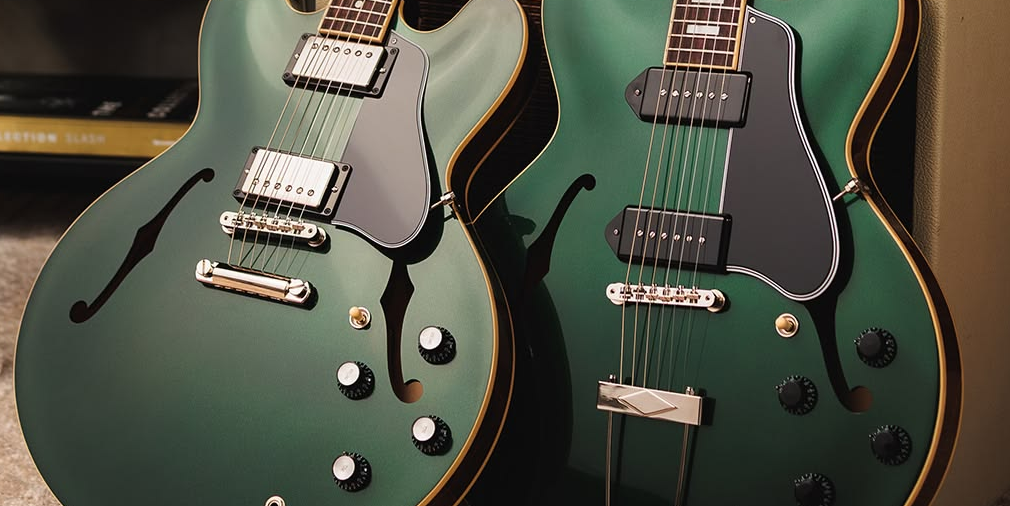
A reference photo is a good way to start an electric guitar project, but it is not a complete specification. Two guitars can look similar and still differ in neck feel, routing, electronics, hardware compatibility, finish work and final setup.
Before a factory begins a sample, the buyer and production team should agree on the decisions that affect both construction and cost. The aim is not to make the specification longer than necessary. It is to prevent one unclear choice from creating several changes later.
Fix the body and neck baseline first
Start with the parts that are difficult to change after production begins: body shape, construction, scale length, neck joint, neck profile, fingerboard, fret count, nut width and headstock requirements.
If the project uses an existing factory shape, ask for the working drawing or measurements instead of relying on the name of a familiar style. Small differences in contour, horn shape, neck pocket and routing position can be noticeable once the sample is in hand.
The neck deserves the same attention. “C shape” or “modern neck” can mean different things to different teams. If neck feel matters to the product, add measurements at agreed fret positions and confirm the fret and fingerboard details that will be checked on the sample.
Choose pickups and controls as one system
Pickup configuration is only the beginning. The buyer should also confirm control layout, switch type, pot values, capacitor choice where relevant, output jack position, cavity shielding expectations and whether any brand-specific components are required.
A request such as “HSS with five-way switch” still leaves several decisions open. If the target sound or noise level matters, explain how the guitar will be evaluated. If the priority is a stable entry-level specification, say that clearly and ask the factory to propose components that can be sourced consistently for repeat orders.
Avoid approving electronics only from a parts list. The sample should be plugged in and checked through every switch and control position. Note unwanted noise, weak output, loose controls or inconsistent taper while there is still time to correct them.
Check bridge, routing and tuner compatibility together
A bridge choice affects more than appearance. Routing, stud or screw position, neck angle, string spacing and setup range need to work together. The same is true for tuners, headstock drilling and string-tree placement.
When a buyer supplies branded hardware, the factory needs the exact model or a physical reference early enough to confirm dimensions. When the factory sources the hardware, the quotation should identify the agreed level and finish rather than using a broad description such as “standard bridge.”
This is one reason component substitutions should be controlled. A replacement may fit the price but change dimensions, feel or appearance.

Describe the finish in a way production can repeat
Colour names alone are risky. “Vintage white,” “dark blue” or “red burst” may be interpreted differently, especially when grain, metallic effects, transparent coats or edge shading are involved.
Use a colour reference, sample panel or approved instrument photo and record the surface requirement: gloss or matte, transparent or solid, grain visible or filled, and any burst or metallic effect. On the sample, review the colour under more than one light source and check areas that are easy to miss, including edges, cavities and the neck joint.
For batch production, agree on an acceptable range rather than assuming every finish will be visually identical. Wood grain and hand-applied processes can create natural variation; the buyer and factory should distinguish acceptable variation from a defect.
Separate branding from decoration
Logo placement, printing method, headstock artwork, serial numbers, labels and packaging marks should be listed individually. A logo file without dimensions or placement measurements still leaves room for error.
Confirm which artwork is final, the colour and size, the distance from clear reference points and whether the mark sits under or above the finish. If the buyer owns the trademark, the production team should receive the correct artwork and written authorization required for the project.
For a model-by-model approval checklist, see the OEM guitar logo and label guide.
Write the sample approval points before the sample arrives
The easiest time to create a review checklist is before sampling. Once the instrument arrives, it is tempting to focus on colour and overall appearance while missing the details that matter in a full batch.
For an electric guitar sample, the review can cover:
- body and neck dimensions against the agreed specification;
- neck pocket fit, alignment and fret condition;
- pickup, switch and control function;
- bridge position, tuner installation and hardware finish;
- colour, surface condition, logo and visible workmanship;
- action, intonation, playability and packaging fit.
Record each requested change and issue a revised specification. A message saying “please improve the setup” is difficult to repeat; measurements and an agreed reference are much more useful.
A practical RFQ for an electric guitar sample
Before requesting a price, send the factory the body and neck baseline, pickup layout, bridge type, finish reference, branding requirements, packaging needs, estimated quantity and target market. Mark each item as fixed, preferred or open to suggestion.
That last distinction saves time. It tells the factory where it can offer a cost-effective option and where a change would alter the identity of the product.
Vinesmusical works with B2B buyers on electric guitar OEM/ODM projects as part of its classical guitar, acoustic guitar, electric guitar and electric bass production. For the complete production sequence, read the electric guitar OEM production guide. Buyers preparing a new model can also use the OEM guitar specification sheet guide before sending a project enquiry.