 EN
EN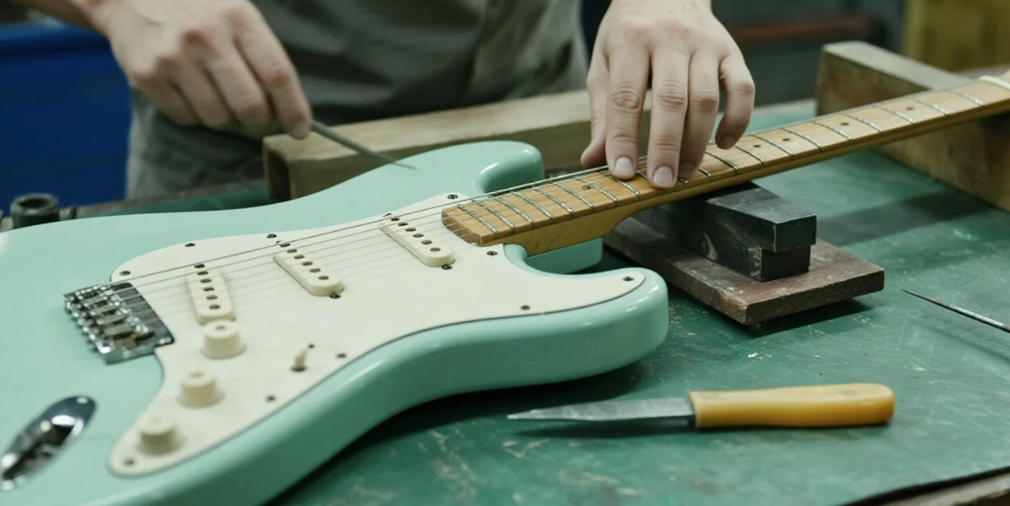
A factory can answer “yes” to a custom request in a few minutes. Reliability takes longer to judge.
For a guitar brand or importer, the useful question is not simply whether a supplier can make guitars. It is whether the factory can understand one specific project, record the details, build a sample that can be checked, and repeat the approved result in production.
The checks below come from the points that usually create trouble in an OEM project: unclear specifications, assumptions made during sampling, changes that are not recorded, and inspection standards agreed too late.
Start with the exact product, not the company introduction
A general factory presentation is helpful, but it does not prove experience with your model. Classical guitars, acoustic guitars, electric guitars and electric basses do not share the same production risks. An electric model may depend on routing accuracy, bridge position, electronics and setup. An acoustic project brings different questions around body construction, neck angle, bridge placement and wood condition.
Send one real project reference and listen to the questions that come back. A serious production discussion should move quickly from “we can make it” to details such as target market, body and neck construction, finish, hardware, branding, packaging and the points the buyer will inspect on the sample.
If the conversation stays at the level of “high quality” and “best price,” there is still not enough information to judge the factory.
Ask for evidence that matches the order
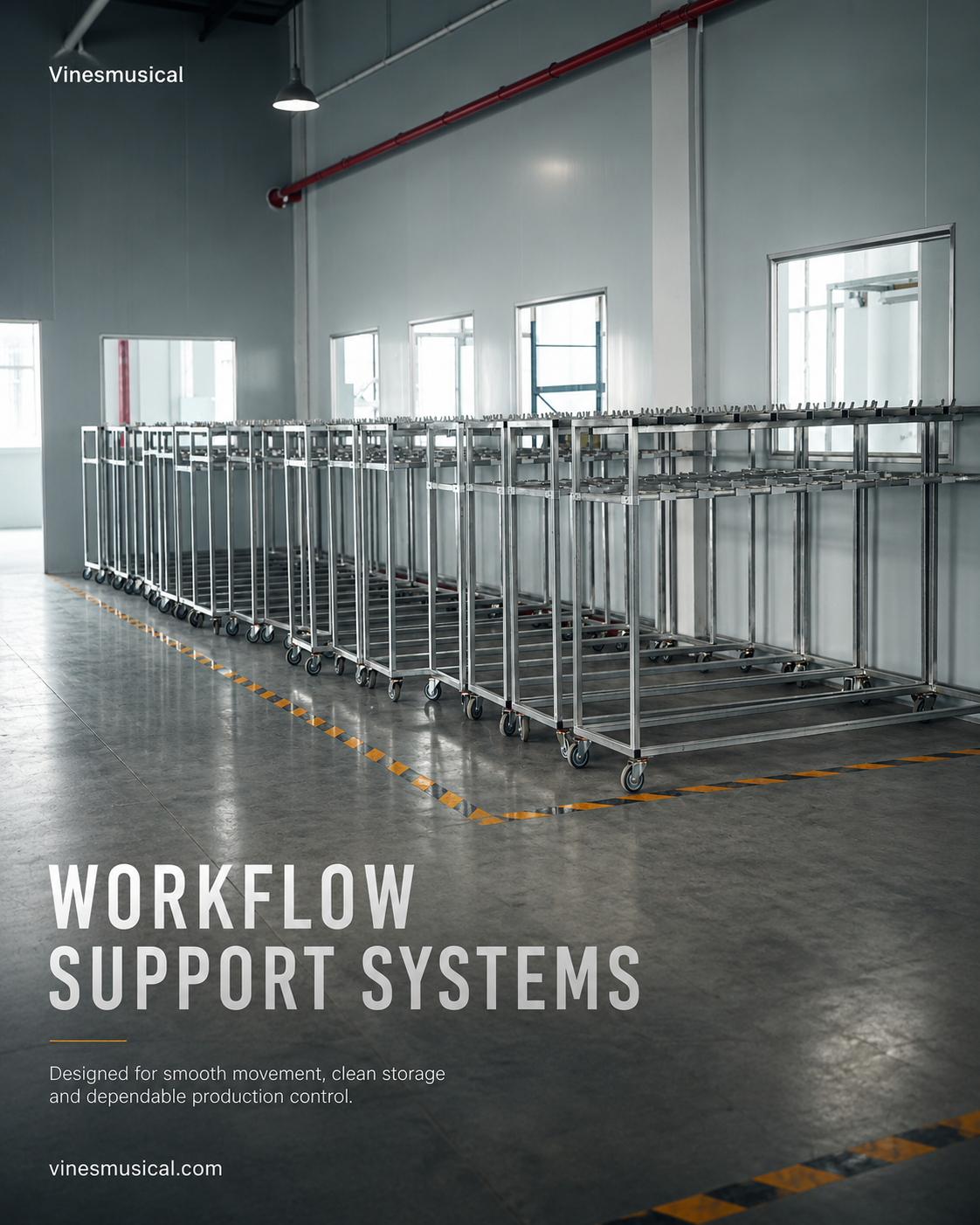
Capacity is more than a monthly number. Buyers should understand the space, people and processes behind it. Useful evidence can include current workshop photos, production flow, material storage, in-process work, finished-goods areas and examples of inspection records.
At Vinesmusical, the company operates from a company-owned 10,000-square-metre, five-floor facility with about 80 employees. Current production capacity is approximately 7,000 guitars per month across classical guitar, acoustic guitar, electric guitar and electric bass work. These figures help a buyer understand scale, but they still need to be considered together with the model, finish complexity, component availability and delivery schedule for the actual order.
Vinesmusical also has a BSCI certificate and an independent in-depth factory audit report. These third-party documents are useful because they give buyers information that does not come only from the supplier’s own introduction. They do not replace product sampling or inspection, but they are sensible items to include in supplier verification.
Notice how unanswered details are handled
In early discussions, some specifications will be missing. That is normal. What matters is how the factory handles the gaps.
A reliable response does not quietly choose parts and hope the buyer accepts them later. The factory should identify what is fixed, what is optional and what still needs a decision. If a requested finish, component or construction creates extra cost or production risk, that should be explained before sampling.
This is also where written communication matters. A short call can solve a question, but the agreed result should go back into the specification sheet or revision record.
Treat the sample as a production reference
A sample is not only for a product photo or a quick playing test. It should confirm the details that bulk production will follow.
During sample review, buyers should record comments by item: appearance, colour, logo, construction, hardware, electronics, fretwork, setup, packaging and any market-specific requirement. “Approved with changes” is too vague unless the changes are listed and acknowledged.
The most useful question after sample approval is simple: what record will the production team use when the order starts? The answer might be an approved sample, a signed specification sheet, colour reference, component list and revision notes. The format can vary, but the reference must be clear.
Match quality evidence to product risk
A long QC checklist is not automatically a good checklist. It needs to reflect the model.
For an electric guitar, a buyer may want evidence of neck alignment, fret condition, bridge position, pickup and control function, output noise, finish consistency, action and intonation. For acoustic and classical guitars, inspection may focus more on body condition, neck angle, bridge and saddle, fretwork, setup, finish and packaging protection.
Ask when these checks take place and what happens when a unit does not pass. Photos, short videos and inspection records are more useful when they show the actual order rather than a generic demonstration.
Think about the second order before approving the first
The first batch can receive a lot of attention. Repeat-order consistency shows whether the factory has kept the important information.
Before shipment, confirm which specifications, colour references, approved components and packaging details will be retained for reorders. If a component later becomes unavailable, the replacement should be discussed rather than changed without approval.
This record-keeping is not glamorous, but it is often what separates a workable supplier from a long-term manufacturing partner.
What to send before asking for a quotation
A useful first RFQ does not need to be perfect. It should include enough information for a real discussion:
- product type and reference photos or drawings;
- target market and expected product level;
- must-have construction, hardware or finish details;
- estimated quantity and packaging needs;
- the points you want to confirm during sampling.
If some details are flexible, say so. That gives the factory room to suggest practical options without confusing a suggestion with an approved specification.
Discuss a project with Vinesmusical
Vinesmusical has manufactured guitars since 2014 and works with B2B buyers on classical guitar, acoustic guitar, electric guitar and electric bass OEM/ODM projects. To begin a review, send your reference, target market, expected quantity and the details that are already fixed.
For more background, see the Vinesmusical company and factory profile and quality evidence buyers can request. For a project discussion, contact the team or email info@vinesmusic.com.